Book Appointment Now
Dental Implants vs Bridges vs Dentures: Which Tooth Replacement Is Right for You?
Missing a tooth or several? Compare dental implants, bridges, and dentures side-by-side — cost, durability, comfort, and care — to find the right tooth replacement option for your smile.
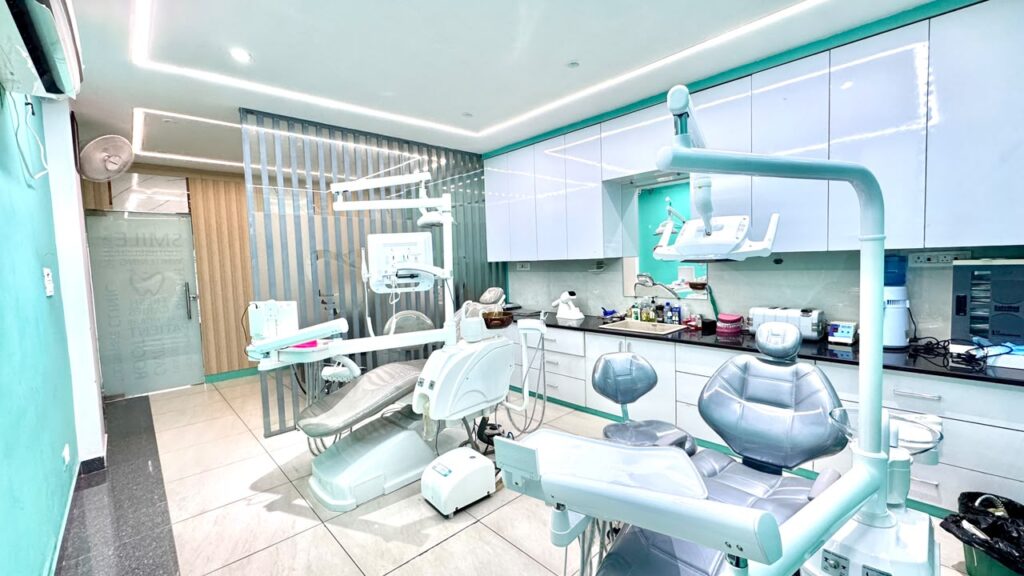
Losing a tooth affects more than your smile — it can change how you chew, speak, and even how your other teeth shift over time. The good news is that modern dentistry offers several reliable ways to replace missing teeth. The challenge is knowing which one fits your situation, budget, and long-term goals.
At City Dental Care 32, Dr. Kirti Yadav helps patients in Prayagraj weigh these options every week. Here’s how dental implants, bridges, and dentures actually compare.
Dental Implants
A dental implant is a titanium post surgically placed into the jawbone, topped with a custom crown. It functions as an artificial tooth root, which is what makes it unique among replacement options.
Pros:
- Look, feel, and function like natural teeth
- Stimulate the jawbone, preventing the bone loss that follows tooth loss
- Don’t rely on neighboring teeth for support
- Can last decades with proper care
Considerations: Implants require a healthy jawbone and gums, involve a surgical procedure, and take longer overall since the implant needs time to fuse with the bone before the final crown is placed.
Dental Bridges
A bridge fills the gap left by a missing tooth using a false tooth anchored to the natural teeth (or crowns) on either side.
Pros:
- No surgery required
- Faster treatment timeline than implants
- Fixed in place — no removing it at night
- Generally more affordable upfront than implants
Considerations: The supporting teeth need to be shaped down to hold the bridge, and because it doesn’t stimulate the jawbone the way an implant does, some bone loss can continue underneath the gap over time.
Dentures
Dentures are removable appliances that replace some (partial dentures) or all (complete dentures) of the teeth in an arch.
Pros:
- Most affordable option, especially for replacing many or all teeth
- Non-surgical and quicker to fit
- Can be adjusted or remade as your mouth changes
Considerations: Dentures can feel less stable than fixed options, may require adhesive, and need to be removed for cleaning. Many patients later add implants underneath dentures for extra stability once budget allows.
Side-by-Side: How Do They Compare?
- Best for a single missing tooth with healthy jawbone: Dental implant
- Best for a quick, non-surgical fixed solution: Dental bridge
- Best for replacing many or all teeth on a budget: Dentures
- Best long-term investment for bone health: Dental implant
Frequently Asked Questions
Which option lasts the longest?
Dental implants typically last the longest — often decades — because they’re anchored directly in the jawbone rather than relying on surrounding teeth or an appliance.
Am I too old for dental implants?
Age alone rarely rules out implants. What matters more is having sufficient jawbone density and healthy gums, which we assess during a consultation and X-ray.
Can I switch from dentures to implants later?
Yes. Many patients start with dentures and later add implants for improved stability, or transition fully once they’re ready for a more permanent solution.
Find the Right Fit for Your Smile
There’s no single “best” option — only the best option for your mouth, budget, and goals. At City Dental Care 32 in Prayagraj, Dr. Kirti Yadav will examine your teeth and jawbone, walk you through honest pros and cons for your specific case, and help you choose a tooth replacement plan with confidence.
Newsletter Updates
Enter your email address below and subscribe to our newsletter